
Jay Mattlin, Real Estate Broker with Key Realty
19
5 Steps to Selling a Home in Probate (Without Losing Your Mind)
Selling a home in probate can feel overwhelming, especially during an emotional time. But with the right steps and support, it can be manageable.
Here are five clear steps to help you navigate the process, based on real-world experience and insights from The Ultimate Guide to Handling an Estate:
- Get Court Approval – If you're the executor, confirm your authority to sell and file for necessary court permissions (see page 9 for advice on appointing a 'point person').
- Hire a Probate-Savvy Real Estate Agent – Choose someone who understands court timelines, valuation methods (page 5), and the emotional complexities (page 11).
- Assess and Prepare the Home – The guide suggests a strategic approach to cleanouts and updates without overspending (page 14).
6
3 Surprising Things Real Estate Agents Have to Deal With When It's Bone-Chilling Cold Outside
For those who think the real estate grind slows down in the cold, think again. Winter doesn't stop buyers, sellers, or agents—it just makes the process a lot more… interesting.
To be fair, it's certainly not as extreme as some jobs can be in the extreme cold! But when the temperature drops to face-numbing levels, even the simplest of real estate tasks can turn into unexpected adventures.
Here's a peek at 3 surprising things agents have to deal with when it's bone-chilling cold outside:
1) Frozen Lockboxes
Years ago, agents had to fumble with combination dials like they were cracking a safe in the Arctic in order to access the keys to a house. Fortunately most lockboxes work electronically now, but sometimes the key dispenser gets frozen in place which can take a fair share of banging from a nearby rock in order to get it to budge.
But even then, the fun isn't always over… Sometimes the key is frozen inside the lockbox and you have to chisel it out of a block of ice!
2) Frozen Front Yards
When front yards freeze, good luck getting "for sale" signs in or out of the ground! New listing? That "For Sale" sign isn't going anywhere. Closing day? The buyers may be stuck gazing at that sign on their front lawn until the first signs of spring.
However, there are some weathered agents (pun intended) who actually carry around drills in order to make starters holes for their signs.
3) Showing Houses That Feel Like Walk-in Freezers
Agents often have to show bank-owned homes that are completely vacant and have the utilities turned off because they were foreclosed. Somehow these houses can feel even colder than it is outside! The upshot is that it can actually make it seem tolerable outside… at least for a few minutes.
6
Feel like Buying a Home Takes Too Long? 8 Common Buyer Mistakes That Drag Out the Home-Buying Process
Buying a home isn't an overnight process. (Well, unless you're a cash buyer, find the perfect home in a single day, and a seller who is able to accommodate such a quick closing!) But for many buyers, it can feel like the process of buying a house takes forever.
The good news? A lot of that timeline is in your hands…
Real estate agents are patient. They know every buyer has their own pace, and they roll with it. But they also see buyers unintentionally slowing themselves down all the time.
If you want to get through the process as quickly (and smoothly) as possible, avoid these 8 common mistakes that can add unnecessary time to your home-buying journey:
1) Waiting Too Long to Hire an Agent
Many buyers unknowingly stall their own progress by browsing listings online, wandering through open houses, and assuming they'll call an agent when they're "serious." But by the time they do, they've often wasted months looking at houses that just aren't a good fit, missing out on homes that do fit their needs, or getting overwhelmed by the process. Hiring an agent early helps you get focused, avoid rookie mistakes, and streamline the entire process from day one.
2) House Hunting Without a Mortgage Pre-approval
Shopping for a home without knowing what you can afford is like filling up a cart and heading to the checkout without your wallet. You might find your dream home, but without pre-approval, you can't make a serious offer. If you find the perfect home but aren't financially prepared to make an offer, you could lose valuable time securing financing. Getting pre-approved before you start your search not only speeds up the buying process but also shows sellers that you're a serious, qualified buyer.
3) Looking At Homes Above Your Budget
It's a slippery slope when you start looking at homes above your price range online. It starts innocently—just browsing homes a little over budget. Then, suddenly, those are the only ones that feel "right." Unless you know for sure a seller is desperate to negotiate, it's usually a waste of time. Staying within your price range keeps you from chasing unrealistic expectations and speeds up your search.
4) Needing to See "Just Few More Houses"
Finding a home you love should be exciting, but for many buyers, hesitation creeps in, making them question every choice—and sometimes costing them their dream home. "What if there's something better we've missed, or something nicer comes on the market next week?" While it's good to explore options, the best homes don't wait around forever, and new listings often aren't significantly better than the ones you already have to choose from. Indecision often leads to losing out on a house you loved, and you only realize how great it was and regret it once it's gone. Rather than waste time hoping for something better, make an offer on a home you like before another buyer does.
5) Waiting Too Long to Loop in Your Parents
Parental approval can be important, especially if your family is helping financially, but timing matters. If they're only weighing in after you've already fallen in love with a home, their concerns could set you back to square one. They need to have perspective on all of your options on the market—the good, the bad, and the ugly—in order to have an informed opinion. Bringing them into the process earlier gives them time to ask questions, voice concerns, and feel included, without throwing a wrench in your timeline at the last minute.
6) Making Unrealistic Lowball Offers
Trying to score a deal is understandable, but if you're consistently offering well below market value in a hot market, you're likely wasting time. Sellers may reject your offer outright or go with a stronger one, forcing you to start over repeatedly. Working with an agent who understands the market can help you make competitive offers without overpaying.
7) Dragging Your Feet on Paperwork
Once you're under contract, time is of the essence. Mortgage paperwork, inspections, deadlines—it's all on a clock. Buyers who procrastinate can cause delays, lose negotiation leverage, or even risk losing the deal altogether. Stay on top of deadlines to keep things moving.
8) Backing Out Over Small Inspection Issues
A home inspection is an essential step in the buying process, but no house—new or old—is perfect. If your inspection report reveals minor issues, don't let them send you running. Things like a leaky faucet, peeling paint, or an older water heater are not deal-breakers; they're just part of homeownership. Instead of walking away, consider negotiating with the seller or budgeting for future repairs. Backing out for minor reasons can restart your search and add weeks or months to the process.
14
What Is Probate and How Does It Affect Real Estate in Ohio?
When someone passes away, the process of settling their estate can be overwhelming. One of the most significant elements is often the real estate they owned. If you're an executor, heir, or just trying to figure it all out, understanding how probate affects property in Ohio is essential.
What Is Probate?
Probate is a legal process in which the court validates the deceased person's will (if there is one) and oversees the distribution of their assets. This includes ensuring any debts are paid and property is transferred appropriately.
In Ohio, if the property was solely in the deceased's name, it cannot be sold or transferred until the probate court gives approval. Even if the heirs are ready to sell, you'll need a court-appointed executor and potentially multiple filings before the s...
14
Are You "Mortgage Ready" and Don't Know It? 4 Obstacles That May Be Stopping You From Owning a Home
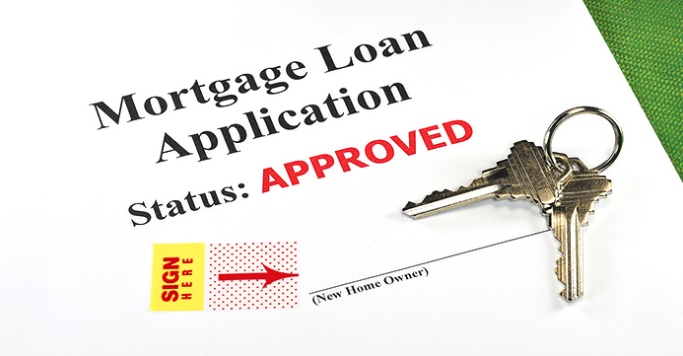
CNBC reported that an estimated 7.9 million renters were actually "income mortgage ready" — meaning they were qualified and could have bought a home — according to an analysis of the 2022 American Community Survey by the U.S. Census Bureau.
While some of those folks likely chose to rent instead of buying, many of them might not have been aware that they could qualify for a mortgage, and would have chosen to buy if they'd simply gotten pre-approved and knew they could.
If you're currently renting, but would love to buy a home of your own, here are 4 things that may be keeping you from knowing that you're "mortgage ready":
1) Fear of Rejection
Nobody likes getting rejected, so it's...

Privacy Policy / DMCA Notice / ADA Accessibility


