
Posts in category 'Market Insight'
6
Surf's up… in Utah? And 7 Other Real Estate Developments No One Asked for (But Might Love)
When you think of surfing, you probably picture California, Hawaii, Utah… Wait a minute! Utah?! There's plenty of other places that could be added to that list, but Utah definitely isn't one of them.
But according to Yahoo Finance, one developer is looking to build an inland surf community in Washington, Utah. Sixty-five homes will be built around two concrete-lined lagoons designed specifically for surfing, catering to the cowabunga crowd who don't live on (or anywhere near) the coast.
Sure, building a surf community in the middle of Utah sounds entirely out of place—but if the demand is there, these niche communities might just become the next big wave in real estate.
So let's have some fun and take a look at 7 other creative concepts developers might want to consider if this one takes off:
1) The Seattle Sunbather's Sanctuary
If you're chasing sunshine, Seattle might not be your best bet. But for the sun-deprived souls longing to tan year-round, this neighborhood parts the clouds—literally. Industrial-grade fans help break up the gloom, while retractable UV domes give every home its own slice of artificial summer. Mandatory sunglasses and a strict 'no umbrellas' policy help preserve the sun-soaked vibe of this cloud-defiant community.
2) The Texas Ice Fishing Preserve
Texas and ice rarely go together—unless you're ordering sweet tea. While fishing is a Texan pastime, ice fishing? Not so much. While freezing water outdoors might have a snowball's chance in, well, Texas, each home has a climate-controlled basement "pond" so residents can drill a hole, drop a line, and chill…literally. For added effect, frosted window decals and icicle string lights adorn the outside of the homes.
3) The Quidditch Quarters of Pottersville
Pottersville, NY might not be on the Hogwarts Express route, but the town name begged for a Quidditch-themed community for all the muggles looking for a place to play. This enchanted enclave gives wizarding wannabes a place to soar. Pitch-side cottages, broomstick lockers, and Golden Snitch drills every Tuesday make it ideal for semi-pro seekers and recreational Beaters alike.
4) The Manhattan Monk Mode Meadows
Seeking peace and quiet in the city that never sleeps? Good luck. But for those craving silence in the middle of Manhattan madness, this community delivers. Each apartment is triple-insulated, blackout skylights block the buzz, and there's a strict 8PM whisper curfew. Residents wear noise-canceling headphones in the common areas, and use hand gestures to communicate.
5) Kansas Cliffside Estates
Kansas is so famously flat, it once got compared to a pancake — and the pancake won. But for climbing enthusiasts craving that vertical life, the Kansas Cliffside Estates offer the next best thing. Imported boulders dot the landscape, artificial cliffs tower (relatively speaking), and the neighborhood gondola system gently glides across three feet of elevation change. Think climbing gym meets luxury suburb. Toto, we're definitely not in Kansas anymore.
6) The Florida Alpine Village
This palm-lined subdivision features indoor ski slopes, simulated snowball fights, and cozy lodges blasting fireplaces even when it's 90 degrees out on a cool day. Residents are required to own at least one ugly holiday sweater. Warning: skis may melt if left outside.
7) The Silicon Saddle Club of San Francisco
Perched on a hillside near the tech capital of the world, this frontier-inspired enclave swaps Teslas for hayrides and kombucha taps for beer barrels. This tech-meets-Old-West neighborhood lets software engineers live out their rootin'-tootin' dreams. Residents rotate between debugging code and bucking broncos. Daily activities include barn hackathons, lasso & latte socials, and the annual "Pitchfork & Pitch Deck" talent show.
14
How to Protect Yourself From Mortgage Wire Fraud

When you buy a home, many mortgage brokers ask that you wire the down payment.
While this is a common practice, mortgage wire fraud is on the rise, and with some of the new technologies on the market, they've become more sophisticated than ever, making it difficult to detect. In many circumstances, scammers can make it look like their emails and phone calls are coming from your mortgage broker, so while you think you're sending money to your broker, you're actually sending it to scammers. Unfortunately, once that wire is initiated, that money is gone, and, in most cases, there's nothing you can do to get it back.
That's why it's so important to know how to protect yourself from mortgage wire fraud. A
8
5 Behind-The-Scenes Things Agents Worry About Regarding the Location of a Home

The old saying about "location, location, location" — and how those are the three most important things when buying a home — certainly has its merits. Location plays a huge part in the value of a property… not only when you buy it, but also how much you can get for it in the future, and how easily you can sell it. So the location of one property versus another is likely to be a topic of conversation you and your real estate agent will have when you're house hunting.
In addition to the actual location of a property, there are probably some other location related things your agent has to consider while showing you houses that they won't think to talk to you about! Don't worry, they won't affect the value of a property, or whether or not you should buy it…
But it might be fun to get a sneak peek into what goes on in your agent's head while you're looking at houses! So here are 5 behind-the-scenes things agents are worried about the location of while showing you homes:
1) The Location of the Lockbox
In order to get into most houses, agents use a special keypad or phone app to unlock what's called a "lockbox" which contains keys to the house. Usually they're hanging right in plain sight on the front door. But every once in a while, for whatever reason, the listing agent decides to switch things up and get creative with where they hang it, and your agent will have to pull off looking cool, calm, and collected while trying to find it.
2) The Location of the Light Switch
It's pretty standard for light switches to be located just to the right or left of a doorway, but agents show plenty of houses where the word "standard" doesn't apply. The worst is when the agent is showing a house later in the day in the winter months, and you can hardly see a thing until you find a light switch! Actually, the worst is when it's a bank-owned house that has the electricity off, so it doesn't even matter if you find a light switch…
3) The Location of the Alarm Pad
If a homeowner has an alarm system, your agent is usually given the alarm code ahead of time. But they aren't always given a detailed description of where the alarm keypad is! Even if it's within sight of the entry door, just getting their bearings and over to the alarm before it goes off can be nerve wracking.
But sometimes it's hidden behind coats on a hook, or across the house and it's a mad race against the clock to get to it. There probably isn't an agent in the business who hasn't lost this race at least once in their career, resulting in setting off the alarm and giving their clients the opportunity to meet the local police before buying a place in town!
4) The Location of a Growling or Barking Dog
Ideally a homeowner could get their dog out of the house for every single showing in order to avoid any mishaps, or just the distraction of a barking dog, but it's not always possible. While many homeowners "assure" agents that their dog is friendly, and not to worry if their dog barks or growls, agents are always leery until they lay eyes on the dog and assess the situation for themselves.
5) The Location of a Silent Cat
Cats, on the other hand, are often stealthy and you may never see them once during a showing! That's just fine, except that agents are also often instructed to make sure that the cat doesn't get out while they're showing the house. That's hard to do when you haven't seen the cat! It leaves many agents wondering if the cat somehow slipped out without them knowing, and trying to at least catch a glimpse of it before they leave.
20
Beyond the Headlines: Understanding How Proposed Changes in Real Estate Commissions Will Actually Impact You as a Buyer or Seller

You've probably heard the news that there are changes coming in terms of how real estate commissions are paid.
This might sound exciting and like a potential game-changer for you as a home seller or buyer, with headlines proclaiming things like:
- "Real estate commissions are being slashed!"
- "Selling your house will now be less expensive!"
- "No more paying 6% to real estate agents!"
But you're also probably not sure exactly what it all means, how it will work, or how you'll benefit from the changes.
Unfortunately, even if you ask the most informed agents on the planet, you probably aren't going to get many answers. It isn't because agents don't want to answer your questions; it...
12
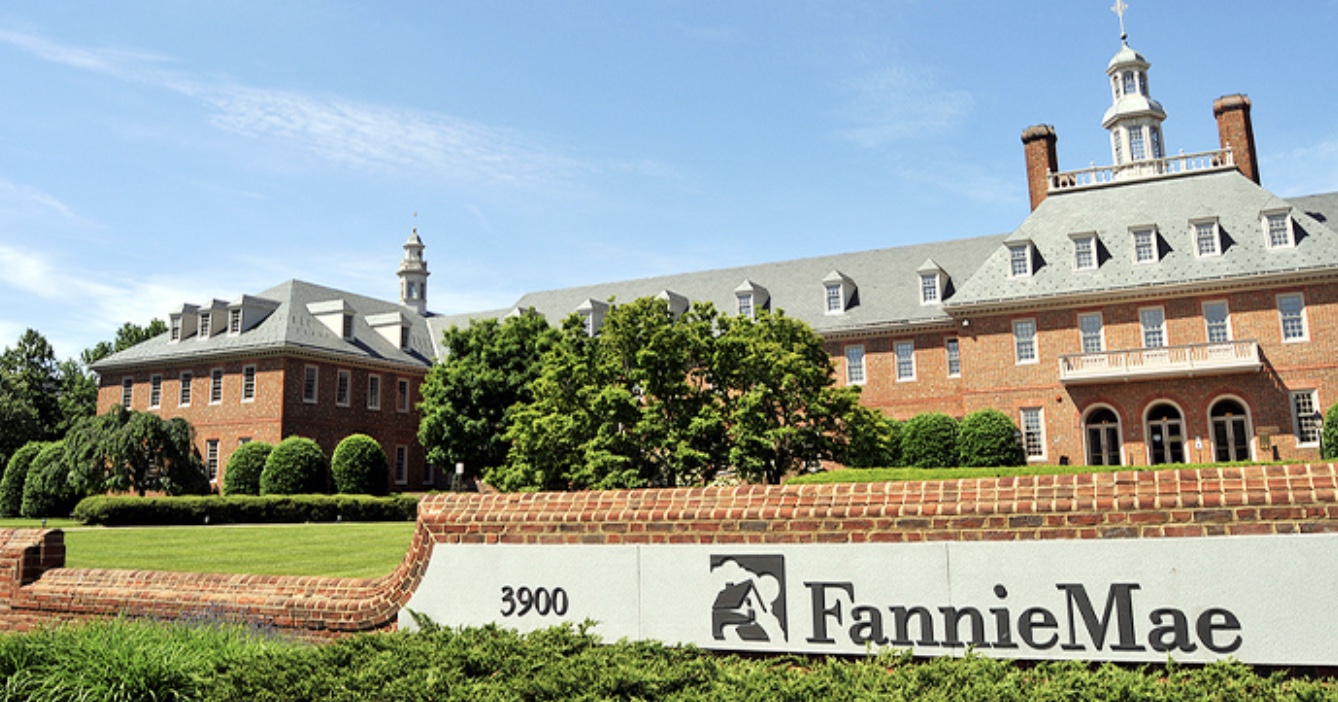
Want to Buy an Investment Property but Don't Have a Large Down Payment? Fannie Mae Just Made It Easier for You…
It's often said that the majority of millionaires made their money investing in real estate.
That's certainly inspiring, but it can also seem entirely out of reach. After all, it's also often said that you need money to make money. And when it comes to real estate investing, the money you need in order to make money comes in the form of a down payment.
So you probably picture real estate tycoons as people who came from money and simply inherited portfolios of property, or bought them with family money passed down over generations. But the truth is, 88% of millionaires are self-made according to a 2017 survey

Privacy Policy / DMCA Notice / ADA Accessibility


